
The Science of Science
We don't just apply existing models; we invent new ones. Through our partnerships with the University of Oxford, UNSW Sydney, University of Milan and other global academic institutions, we research the invisible mechanics of discovery and success.
The Oxford Science of Startups Lab
Explore our research at the Oxford Internet Institute
Applied Venture Science: Black Belt
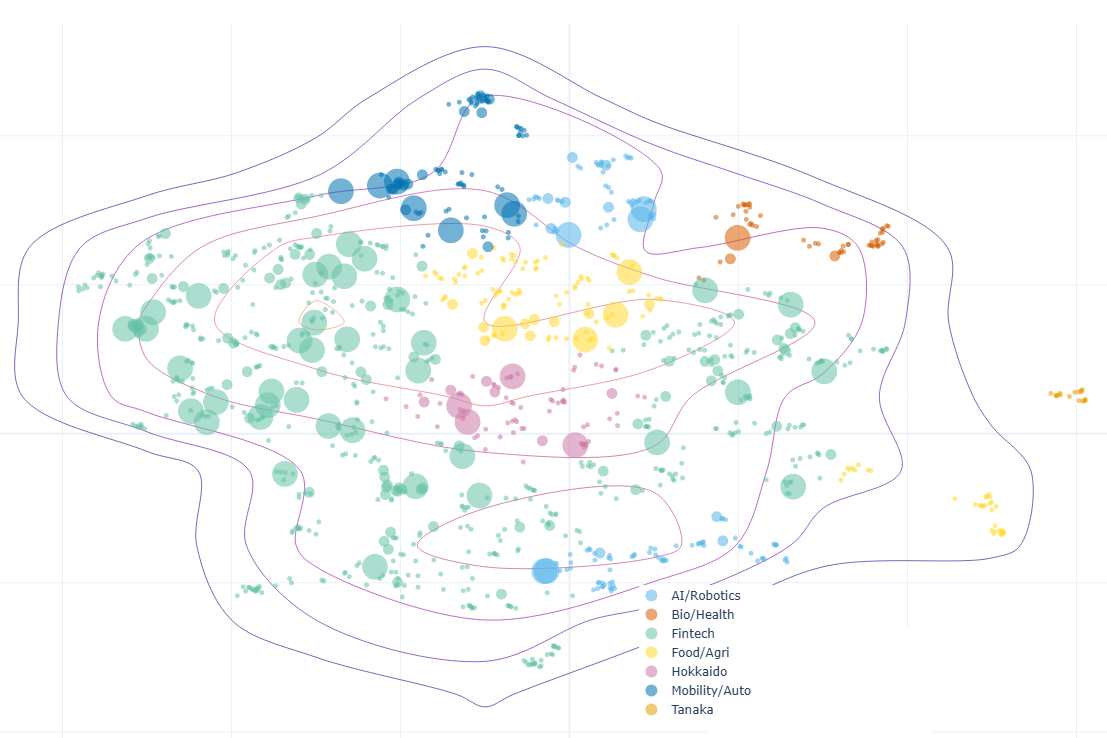
Data-driven startup creation in Tokyo. Officially selected by the Tokyo Metropolitan Government’s SUTEAM initiative, we have operationalised our research to create a new breed of venture studio.
In partnership with Innovation Dojo and Japan Tech, we apply the 'Science of Startups' methodology to identify high-potential founders and de-risk early-stage investment in the Japanese ecosystem.
Partners: Tokyo Metropolitan Government, Innovation Dojo, Japan Tech.
Applied Venture Science in Japan
Explore the Black Belt Global Venture Studio
Mapping the Technology Frontier
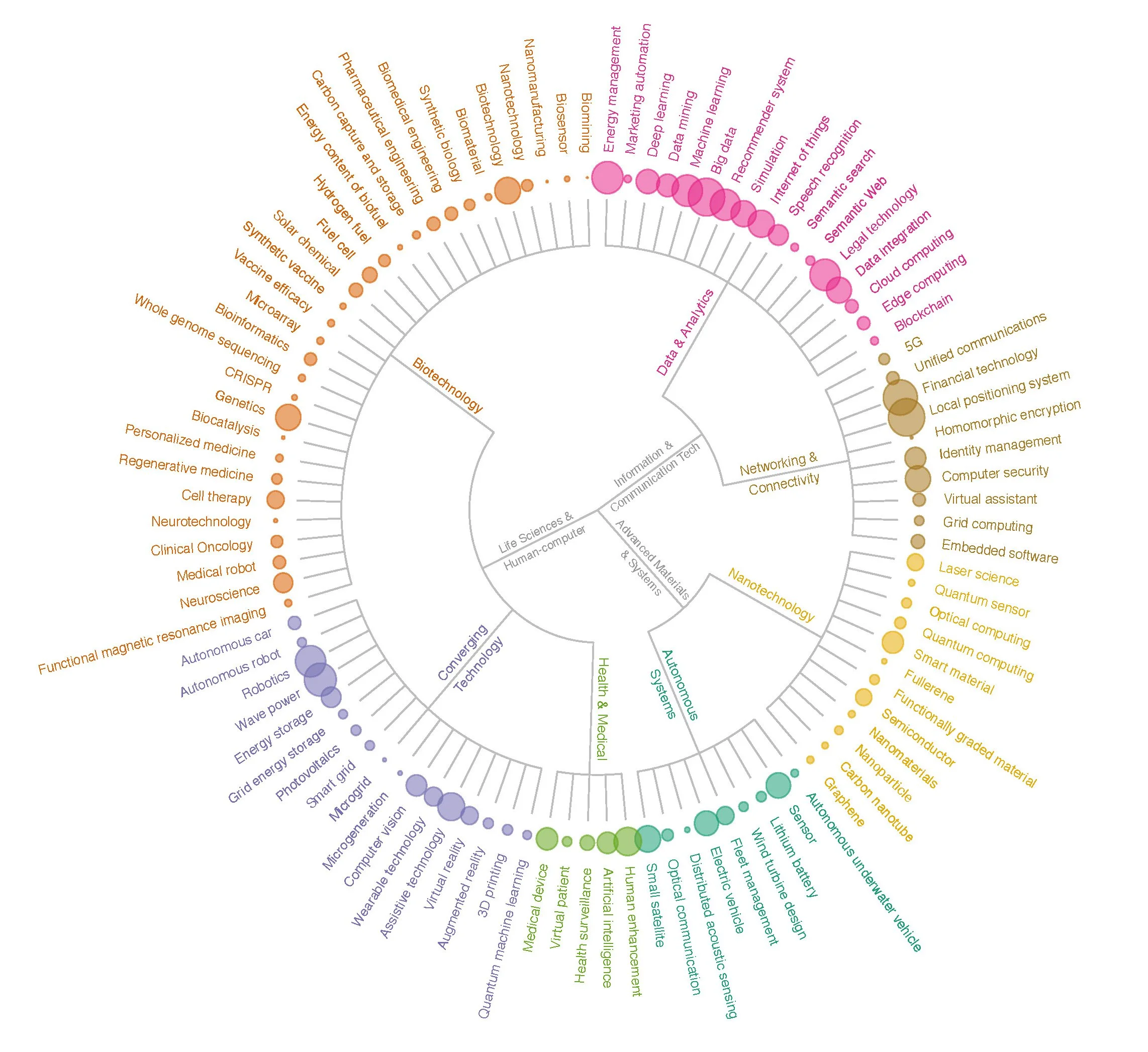
Cosmos 1.0 is a Large Technology Model that maps over 23,000 technologies and adjacent concepts. Using 100-dimensional contextual embedding vectors, we constructed a hierarchical map of the emerging technology landscape. Published in Nature Scientific Data, this model provides a new framework for benchmarking national capability and identifying 'white space' opportunities in the global innovation economy.
Cosmos: Global Technology Map
View the full article from Nature Scientific Data (pdf)
Decoding Team Dynamics
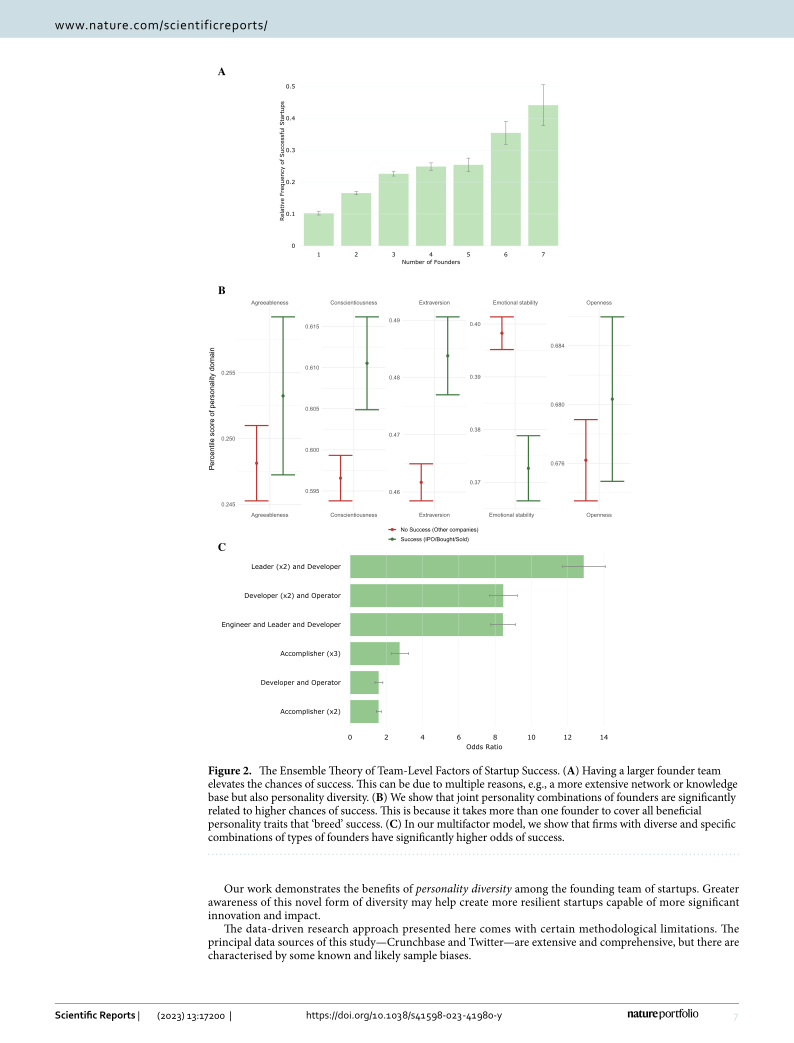
What makes a startup successful? In partnership with the University of Oxford, we analysed the personality traits of founders across 21,000 global companies. Our research, published in Nature Scientific Reports, revealed that 'founder personality diversity' significantly increases the odds of success. We found that specific combinations such as a 'Leader' paired with a 'Developer' and an 'Operator can increase success odds by up to 10x.
The impact of founder personalities on startup success
Read the paper from Nature Scientific Reports (pdf)
The Architecture of Influence
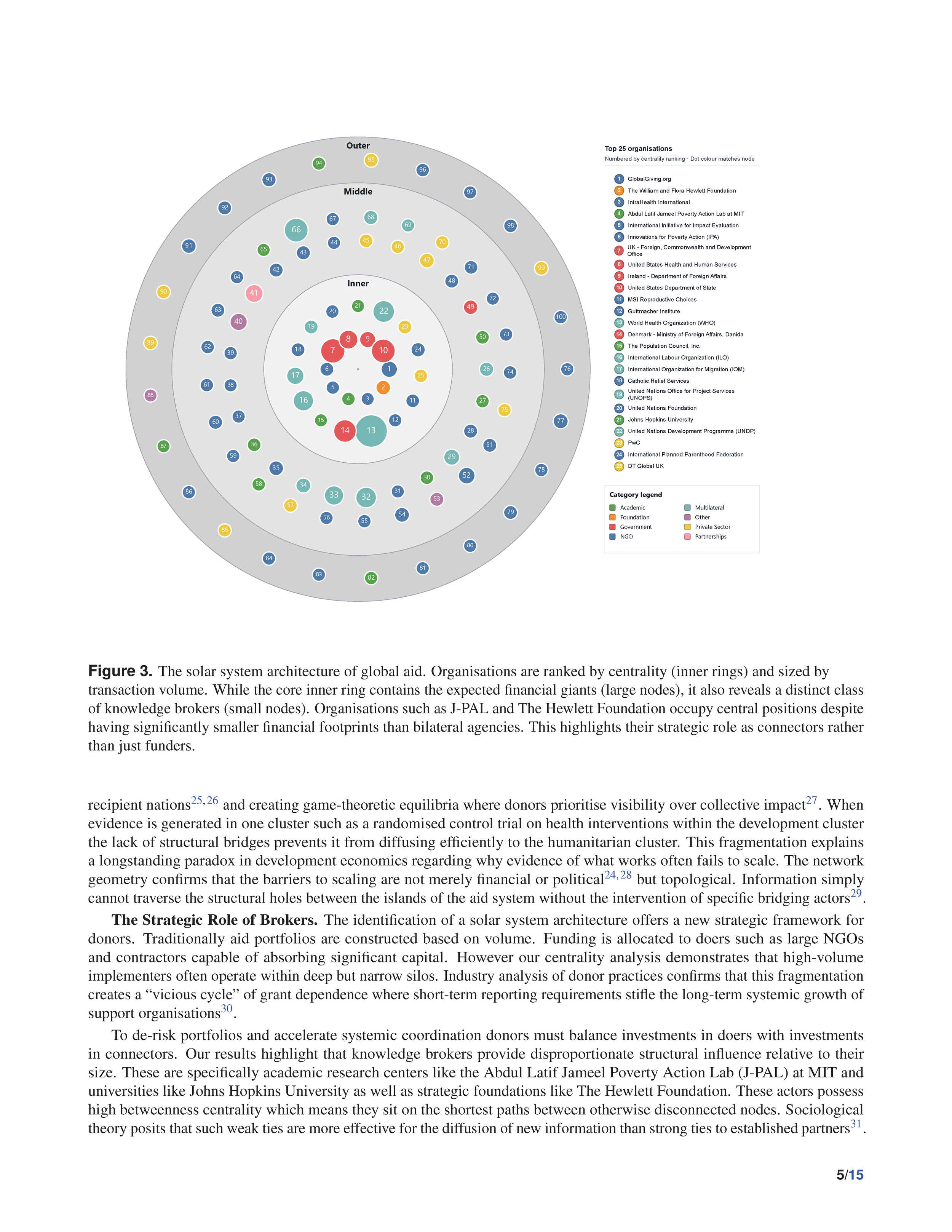
We use network geometry to reveal hidden brokers in complex systems. In a major study of the global aid ecosystem (10 million transaction records), we identified that influence flows through structural connectivity, not just financial volume. This methodology allows us to identify the 'super-connectors' such as organisations like J-PAL and the Hewlett Foundation, that act as the critical bridges between funding and implementation.
Mapping Global Aid Networks
Read the full working paper from the Cornell Archive (pdf)
Selected Peer-Reviewed Publications
Cosmos 1.0: A Large Technology Model
Nature Scientific Data (2025)The Hidden Geometry of 10 Million Aid Transactions
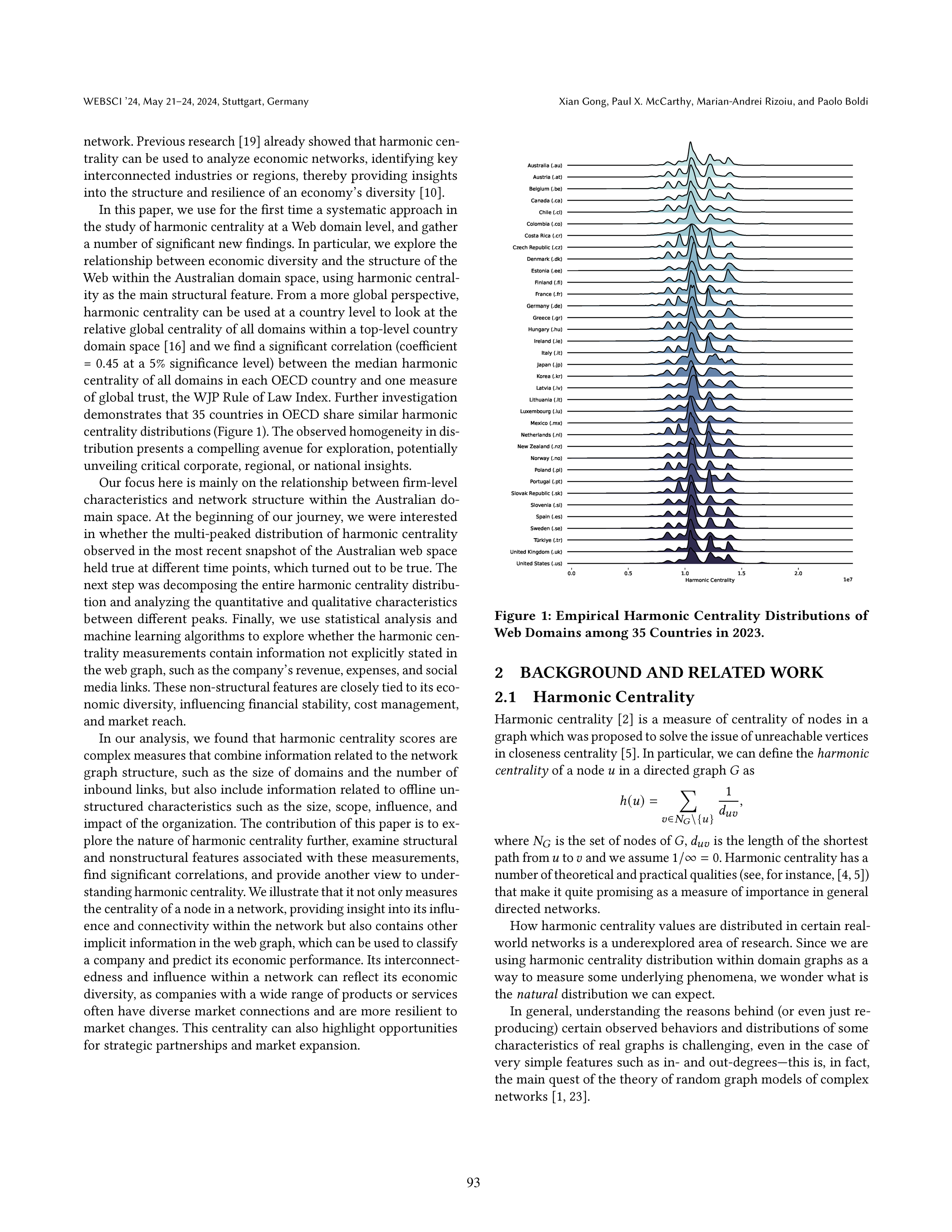
Under review : working paper in the Cornell Archive (2025)Harmony in the Australian Domain Space
ACM Web Science Conference (2024)The impact of founder personalities on startup success
Nature Scientific Reports (2023)How technology has changed economics (“Online Gravity”)
PLOS ONE (2021)Personality traits can help match people to their ideal jobs
Proceedings of the National Academy of Sciences (2019)